

Article: The Seven Tenets: How a Modular Jewelry System Found Its Symbolic Language

The Seven Tenets: How a Modular Jewelry System Found Its Symbolic Language
A jewelry system built on rearrangeable parts has a problem most jewelry doesn't have to solve: how do you organize the stones?

The shape of the system
There are seven Tenets. They are, in canonical order:
- The Anchor — Stability. Protection. Root.
- The Current — Intuition. Adaptability. Flow.
- The Prism — Truth. Vision. Clarity.
- The Pulse — Vitality. Action. Flame.
- The Bind — Connection. Harmony. Unity.
- The Seed — Growth. Abundance. Resilience.
- The Ether — Wholeness. Balance. Void.
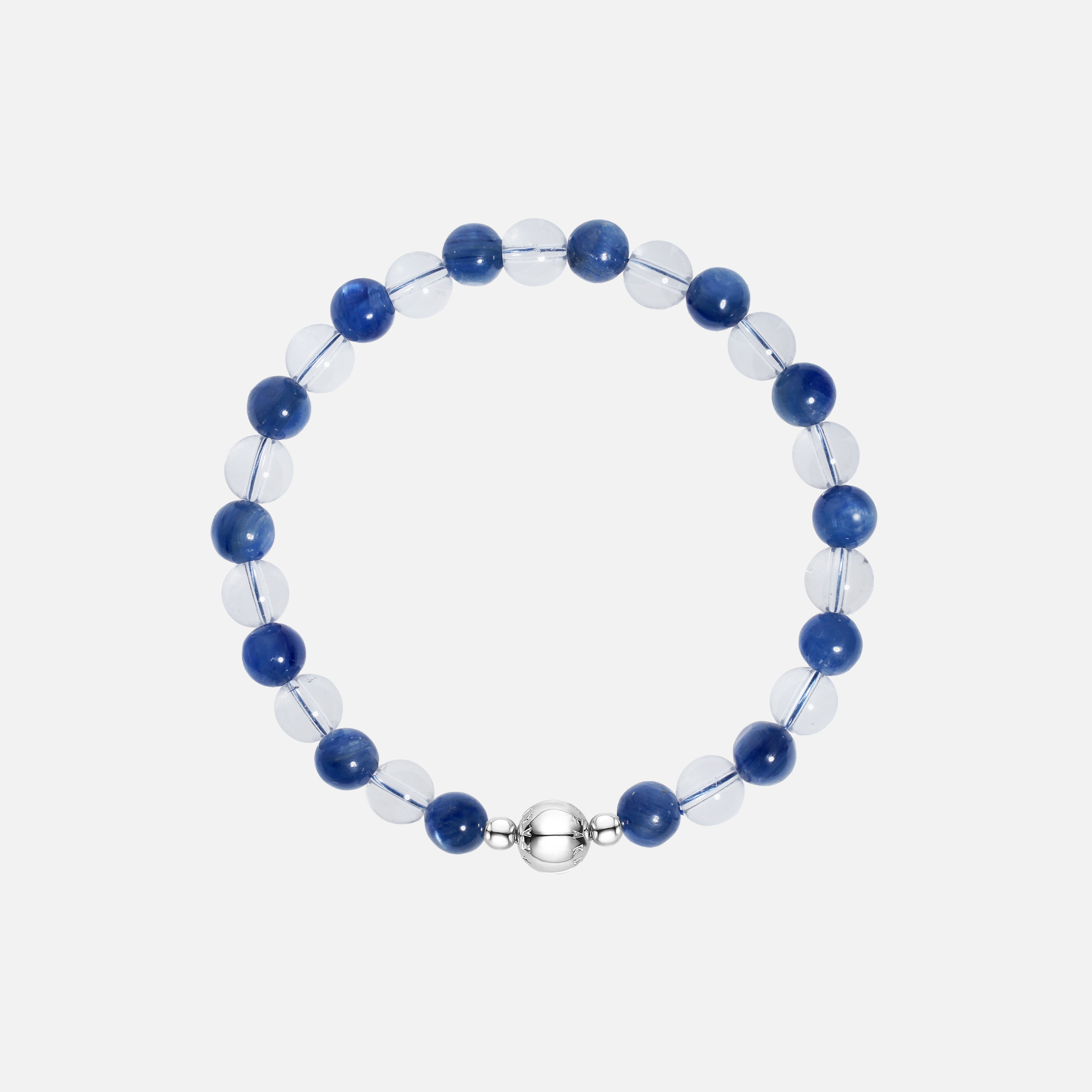
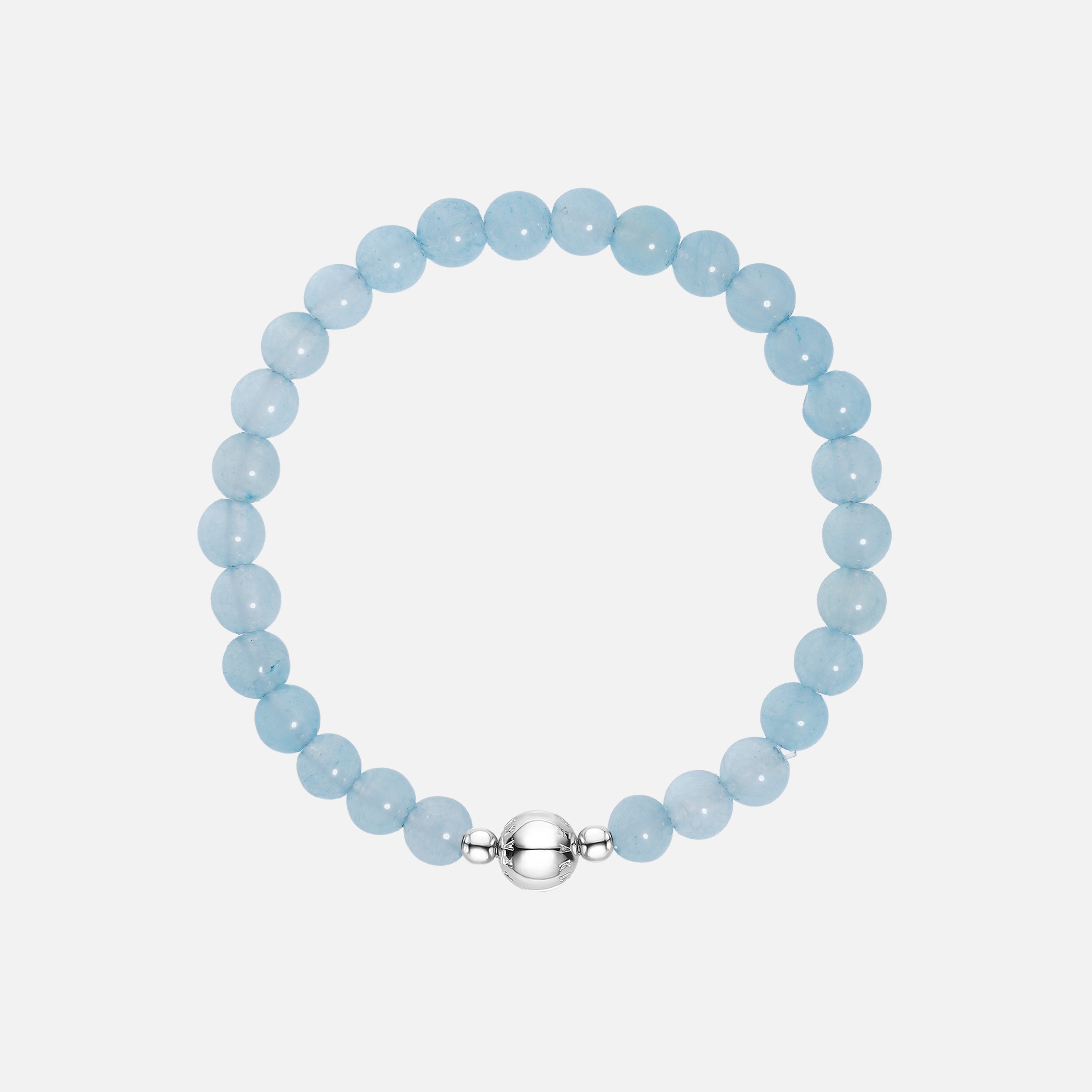
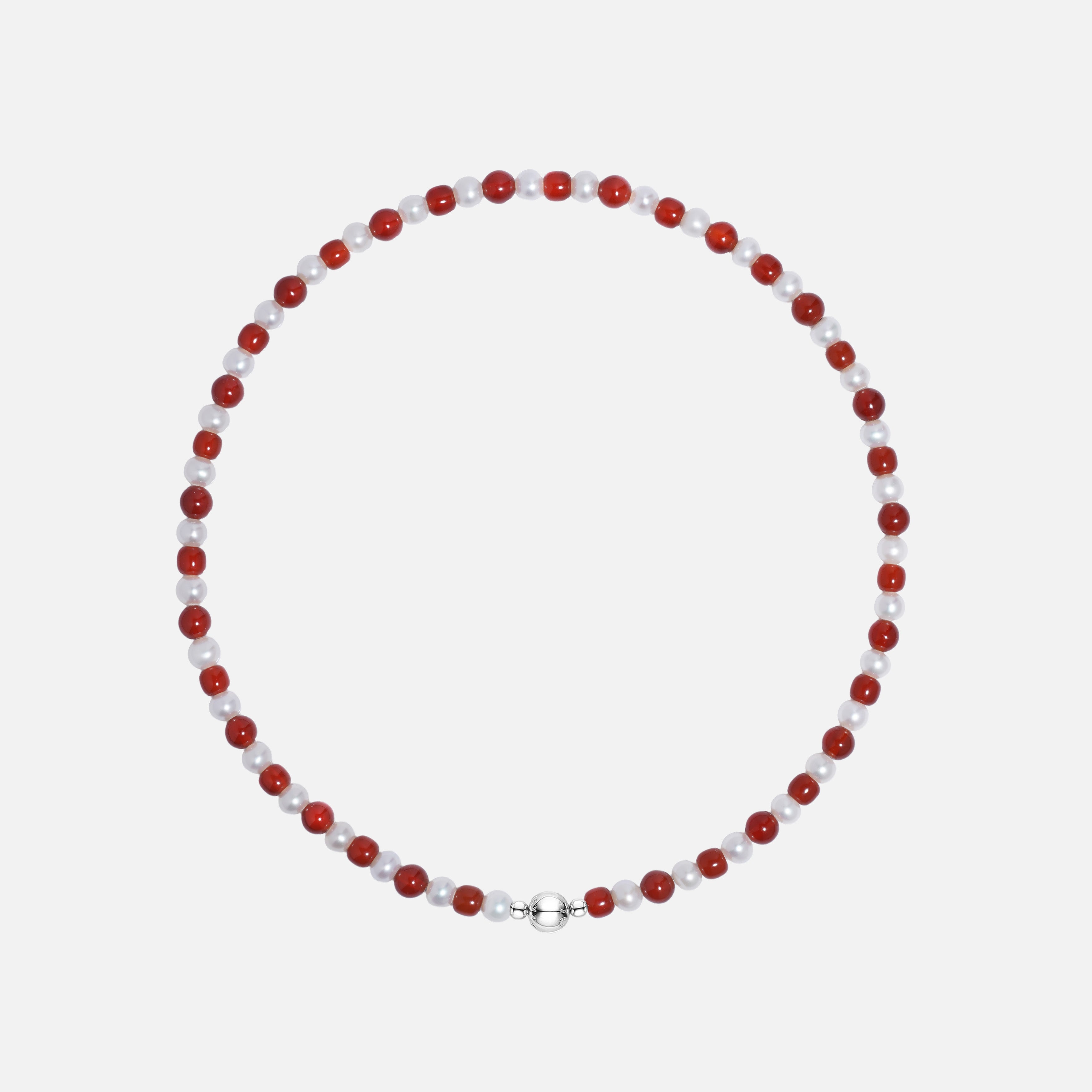
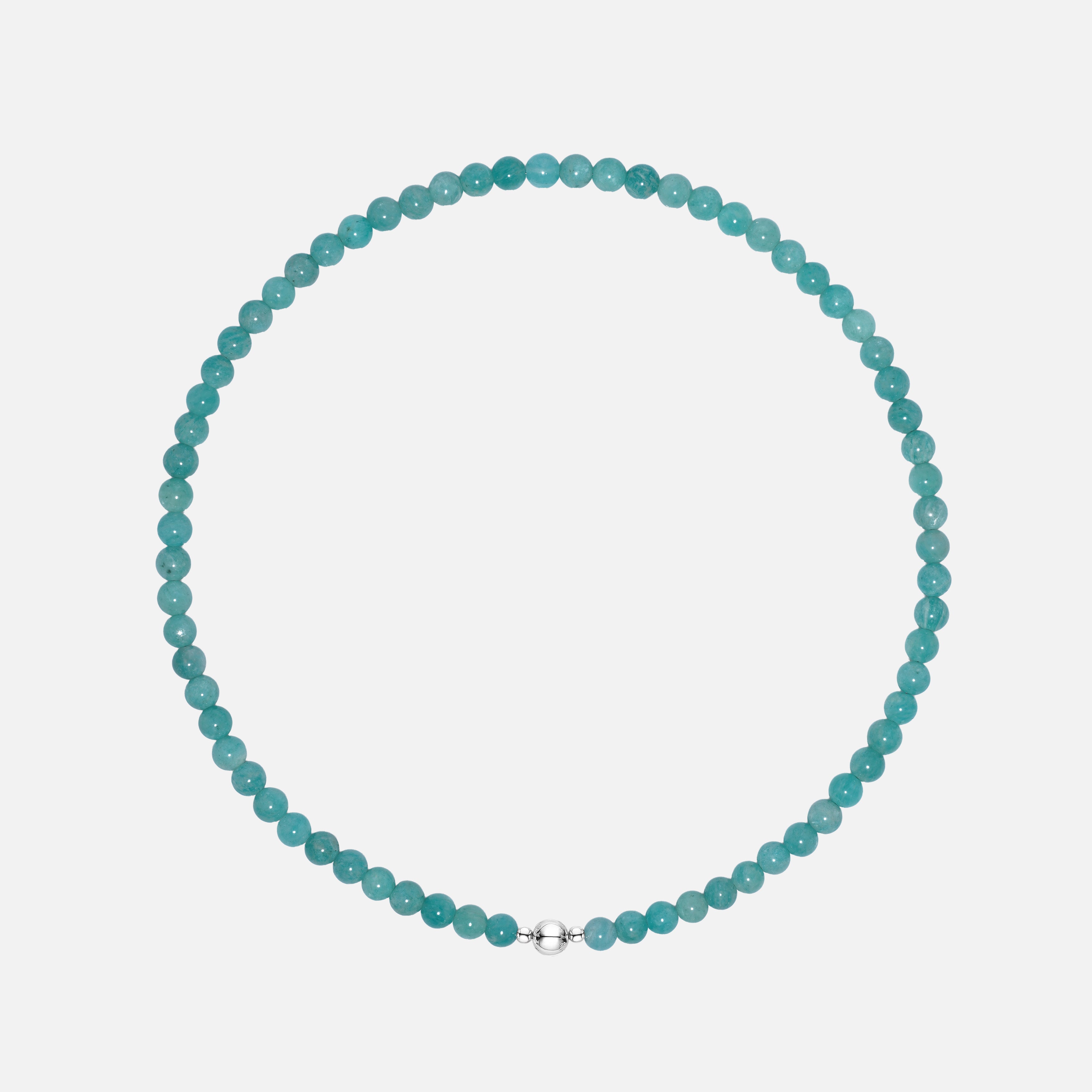
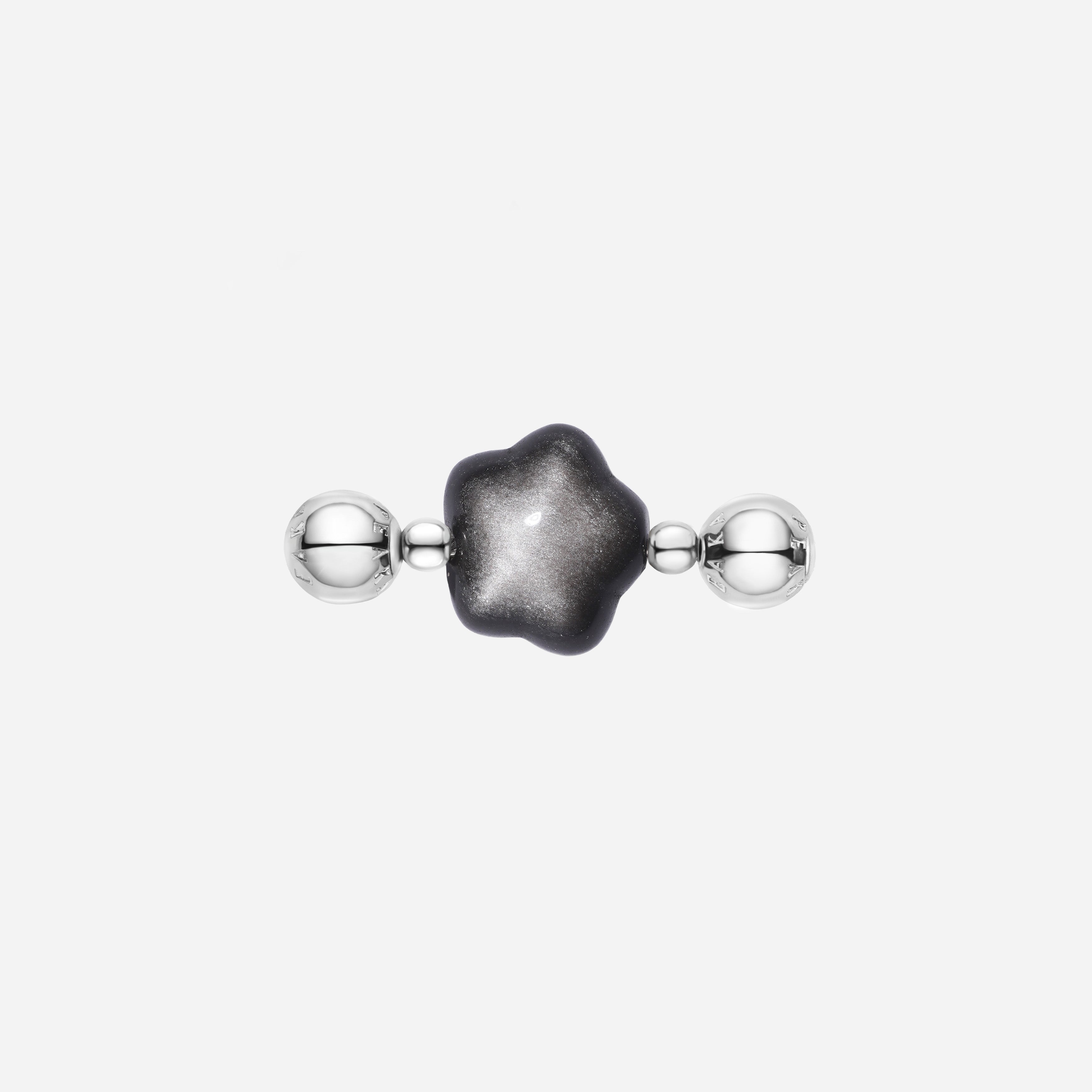
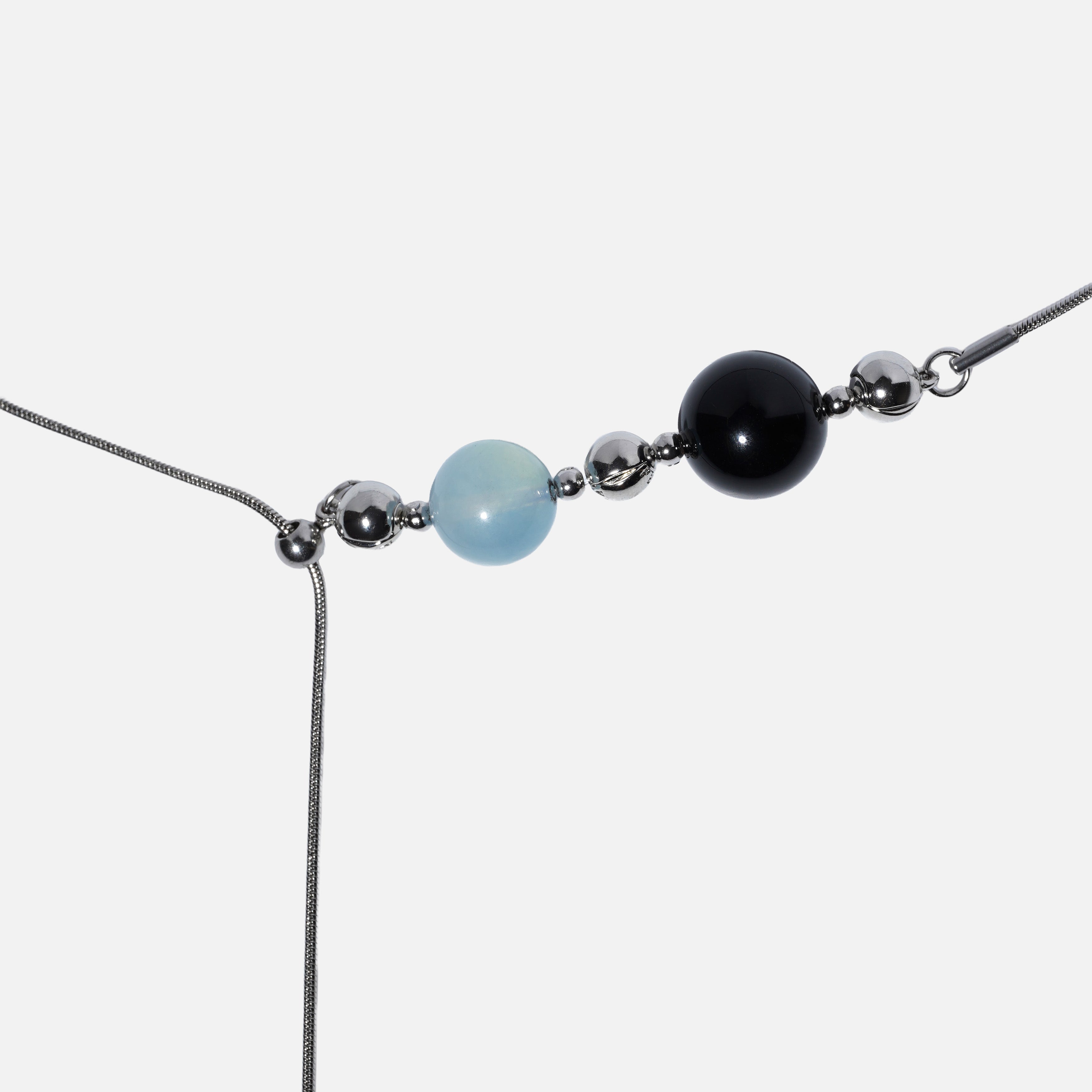
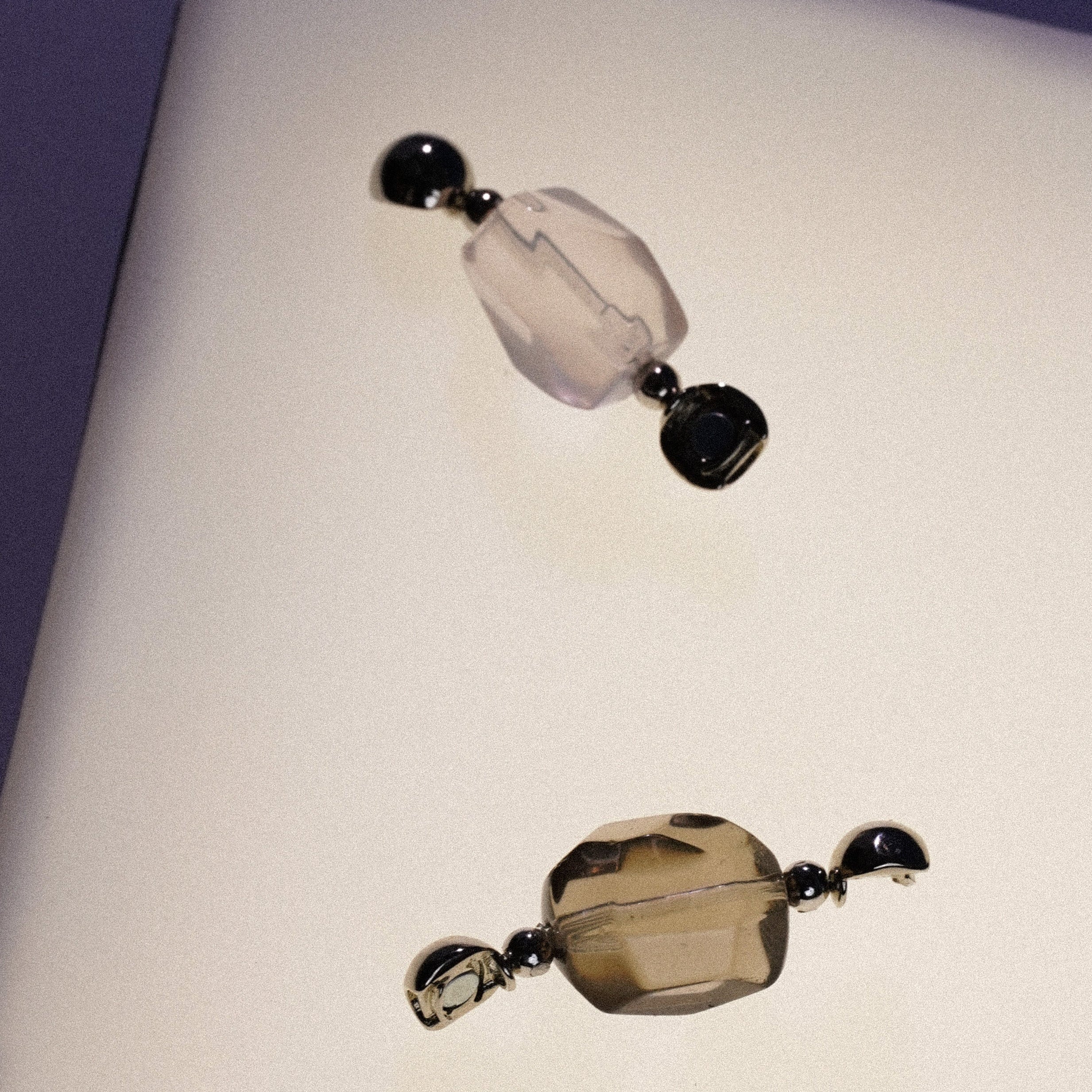
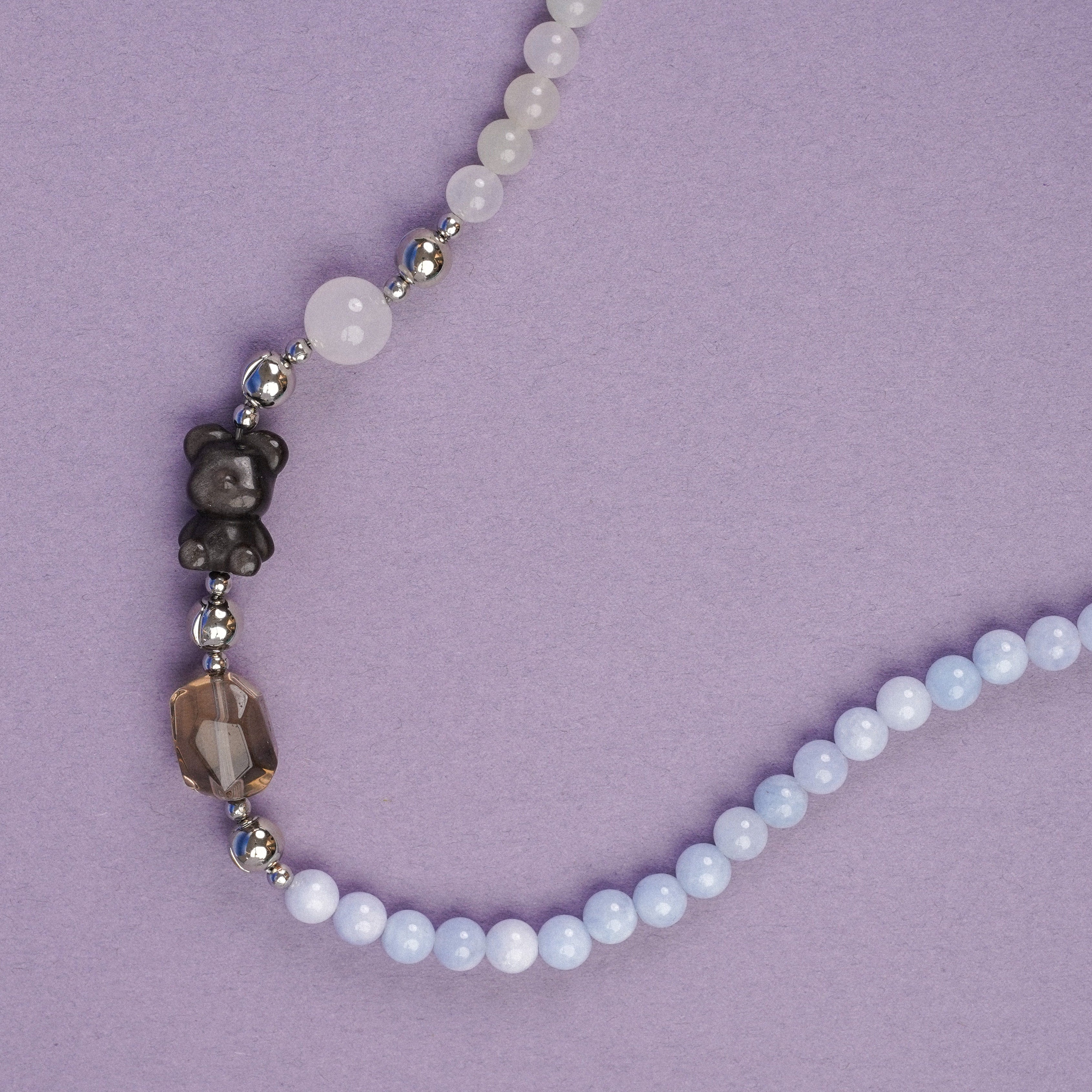
Each Tenet groups stones that share a symbolic territory. The Anchor holds the heavy, grounded stones — obsidian, smoky quartz, black onyx. The Current carries the watery, lunar stones — moonstone, aquamarine, mother of pearl. The Pulse runs warm — carnelian, sunstone, garnet. And so on, each Tenet a register, each register a way of thinking about what you want a piece of jewelry to do for you.
Seven is a deliberate number. It's the smallest count that feels like a real system rather than a catchy short list, and the largest count a wearer can hold in their head without checking a reference. Most symbolic systems land somewhere in this range for the same reason: the chakras are seven, the classical planets are seven, the days of the week are seven. Beyond about twelve, the human mind starts to need an index. Below five, the system feels arbitrary. Seven works.
Where they come from
The Tenets aren't invented from scratch. They're drawn from traditional crystal symbolism — the body of belief, accumulated over centuries across many cultures, that assigns meaning to specific stones. Smoky quartz has been carried for grounding for a long time, in many places, by many people. Rose quartz has been associated with emotional warmth for a long time, in many places, by many people. These associations weren't made up by Peaka, and we don't pretend they were.
What Peaka did was distill. Traditional crystal lore is enormous and inconsistent. The same stone can mean different things in different traditions; the same intention can be served by a dozen different stones depending on which tradition you're reading. For a modular jewelry system, that's unworkable. We needed seven categories, not seventy. So we did the editorial work of grouping.
The result is a framework that borrows from tradition but resolves into something navigable. A wearer doesn't need to memorize the historical associations of every stone in the catalog. They learn the seven Tenets, and the stones inside each Tenet inherit the meaning of the group.
What the Tenets are not
Two things they aren't, both important.
They aren't chakras. Chakras are hierarchical — root at the base, crown at the top, energy moving up through the body. The Tenets are lateral. None is higher or lower than the others. The Anchor isn't beneath the Ether the way the root chakra is beneath the crown. They're seven different registers a wearer can move between, day by day, mood by mood, situation by situation.
They aren't zodiac signs. You don't "have" a Tenet the way you have a sun sign. Nobody is born under The Pulse. You move into and out of all seven over the course of a year, a month, sometimes a single day. The Tenets are situational, not identity-based.
This matters because the most common question we get about the system is some version of "which Tenet am I?" The honest answer is: all of them, at different times. Some days call for The Anchor. Some days call for The Pulse. The system is a wardrobe of registers, not a personality test.
The healing question
Here's where we have to be direct, because the alternative is the kind of brand language that the wellness industry has trained an entire generation to distrust.
We don't claim the stones heal anything. Not anxiety, not insomnia, not headaches, not chronic conditions, not relationship problems, not financial worry. There is no scientific evidence that wearing a stone produces a measurable health effect. We're not going to write copy that suggests otherwise, and we're not going to gesture at it sideways with phrases like "promotes balance" or "supports calm" that walk up to the line without crossing it.
What we do claim is this: these stones have meant something to people for a long time. That meaning is real — culturally, historically, personally — even though it isn't medical. A smoky quartz bracelet doesn't lower your cortisol. But wearing one as a daily reminder of grounding, on a stressful morning, before a difficult meeting — that's not nothing. The reminder is the real thing. The stone is the prompt that carries it.
This is the FTC-compliant version of crystal jewelry. It's also, we think, the honest version. The two are usually the same.
How wearers actually use the system
In practice, the Tenets work three ways.
As a way to choose what to wear today. A stressful morning is an Anchor day. A creative-output day might be a Prism day, or a Pulse day if you need to start something rather than refine it. An anniversary is a Bind day. A retreat weekend is an Ether weekend. Wearers learn the register and reach for the corresponding piece.
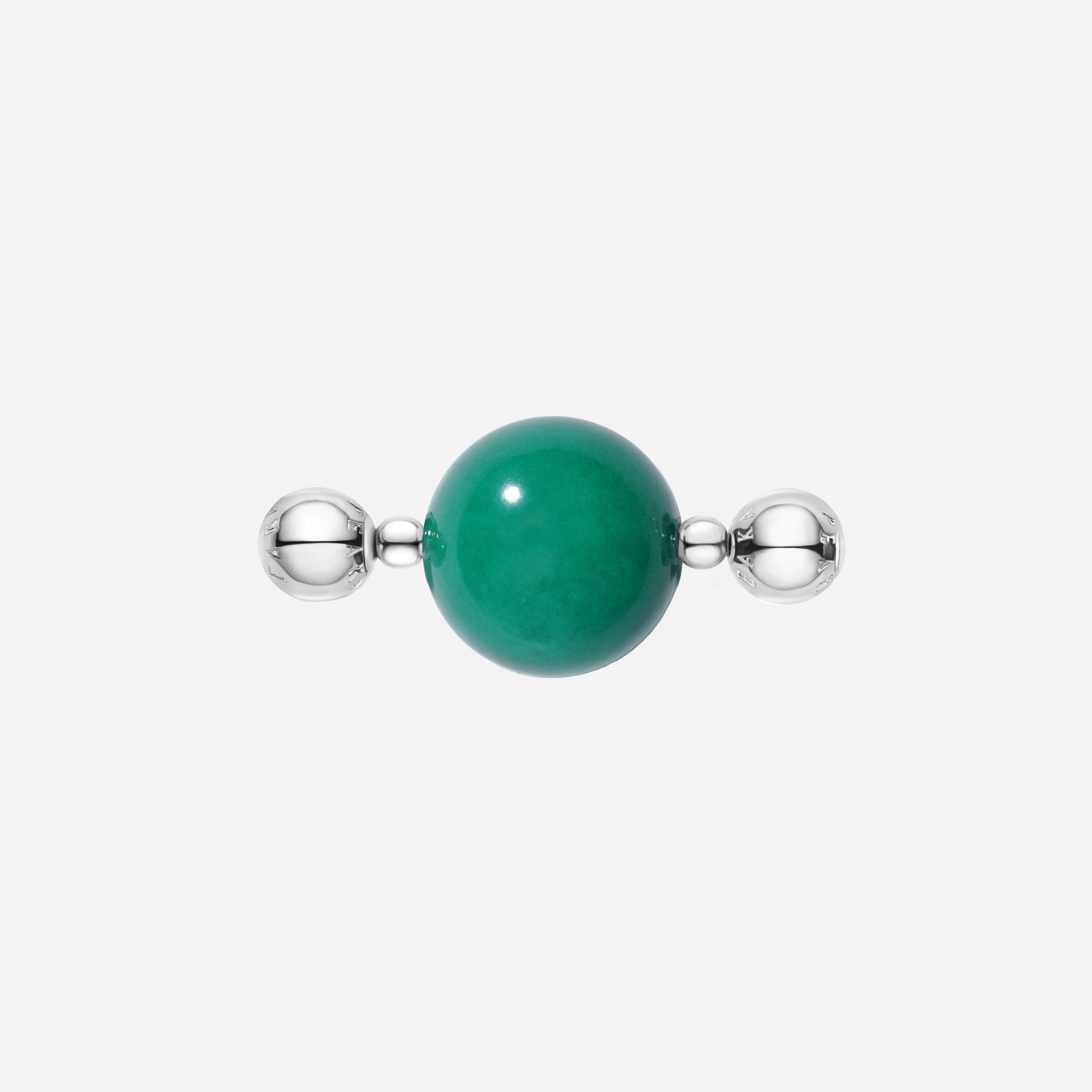
As a way to construct combinations. Because the magnetic system lets every piece snap into every other piece, two Tenets can be worn together. An Anchor bracelet paired with a Current charm reads as grounded flow — stability with emotional fluency, useful in any transition. A Prism bracelet paired with a Pulse charm reads as focused action — clarity with energy, useful for high-output days. We call this Construct Your Story. The pairings aren't prescriptive. They're a vocabulary.
As a way to build a collection over time. Some wearers stay loyal to a single Tenet — they're Anchor people, or Current people, and the rest of the system stays peripheral. Others collect across all seven, building a wardrobe that covers every register. Both are valid uses of the system. The Tenets accommodate the person who wants one perfect bracelet and the person who's building a long-term collection equally.

